What Are Eyelash Extensions: A Comprehensive Guide
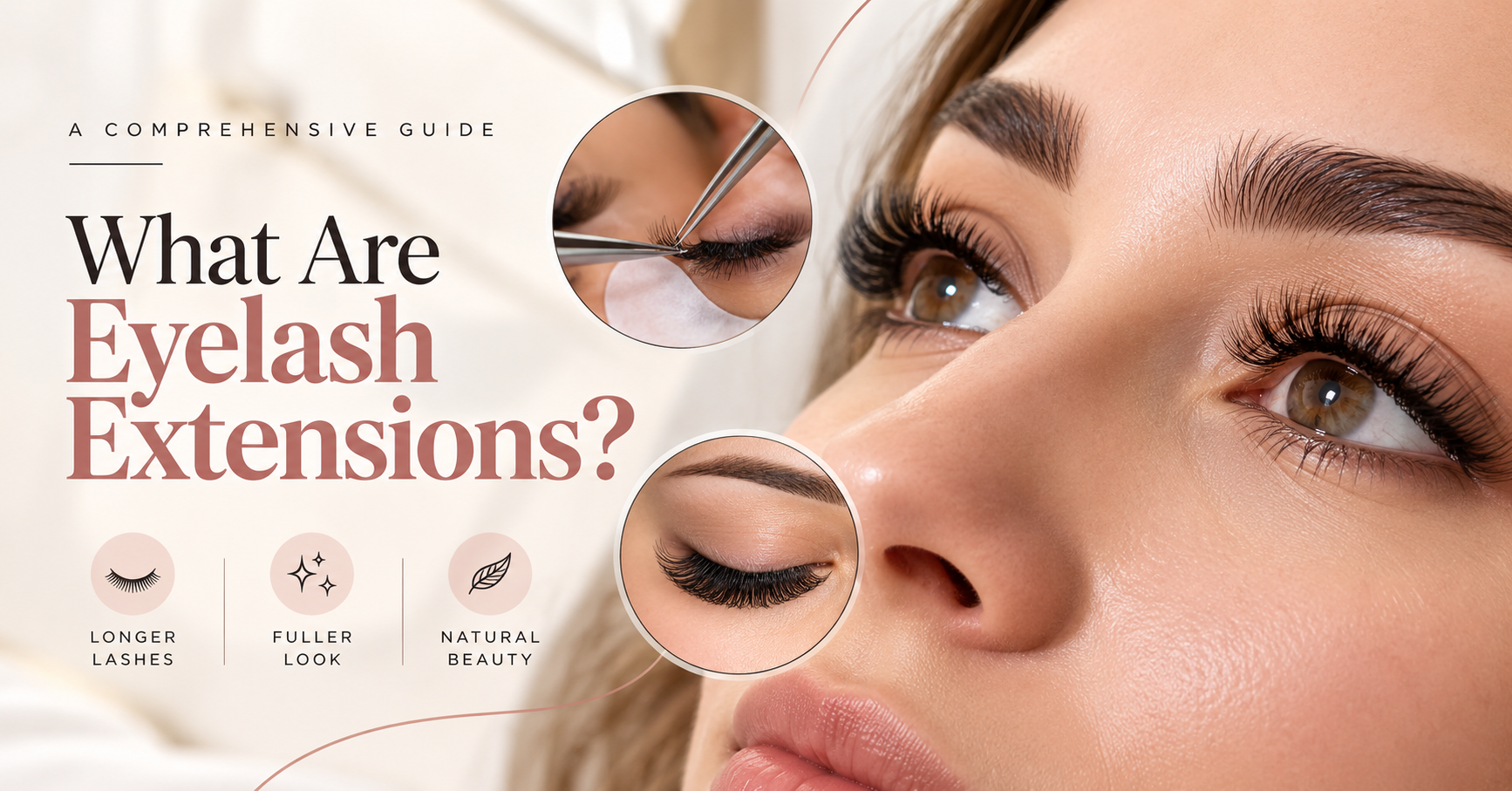
Eyelash extensions are semi-permanent cosmetic fibers designed to look and feel like natural lashes while enhancing their length, curl, and volume.
These extensions are typically made from synthetic materials such as PBT (polybutylene terephthalate), faux mink, silk, or other refined lash fibers created specifically for cosmetic use.
Each extension is carefully attached to an individual natural lash using a professional lash adhesive, allowing the extensions to blend naturally with the original lashes and create a fuller appearance.
The purpose of eyelash extensions is to enhance the beauty of natural lashes without the need for daily mascara or additional lash-enhancing products.
According to research eyelash extensions have gained popularity as a non-invasive cosmetic procedure that improves lash length, thickness, and overall appearance.
In addition, research from Research and Markets indicates that the global eyelash extension market is projected to grow significantly between 2024 and 2029, reflecting the increasing demand for long-lasting lash enhancement treatments among beauty consumers worldwide.
- Are Lash Extensions a Dying Trend
- Do Makeup Artists Hate Lash Extensions
- What Do Eye Doctors Think of Eyelash Extensions
- What Are Eyelash Extensions Made of
- How to Choose the Best Eyelash Extensions
- Can Lash Extensions Damage Your Eyelashes
- Will My Eyelashes Grow Back After Extensions
- Should You Give Your Natural Lashes a Break Between Extensions
- Do Lash Extensions Hurt
- Can You Do Eyelash Extensions on Yourself
- How Long Do Eyelash Extensions Last
- How Long Does a Full Set of Eyelash Extensions Take
- How Much is a Full Set of Eyelash Extensions
- Can You Get Eyelash Extensions While Pregnant
- What Can't You Do With Lash Extensions
- Who Should Not Get Lash Extensions
- Conclusion
Are Lash Extensions a Dying Trend
No, lash extensions are not a dying trend; current industry data suggests that the market is continuing to grow rather than decline.
The U.S. lash extension market was valued at USD 245.8 million in 2023 and is expected to expand at a CAGR of 6.6% between 2024 and 2032, according to market research by Global Market Insights. This steady growth indicates that consumer interest in lash enhancement services remains strong.
Additionally, another market forecast from Market Research Future projects that the global lash extension industry will grow at a CAGR of 5.48% from 2025 to 2035, supported by increasing demand, product improvements, and evolving beauty preferences.
Instead of disappearing, lash extensions are adapting through advancements in lightweight materials, improved application techniques, and more personalized lash styles that allow clients to choose looks ranging from natural to dramatic.
Do Makeup Artists Hate Lash Extensions
No, makeup artists do not generally hate lash extensions, but their opinions can vary depending on the quality, style, and purpose of the extensions.
Many professional makeup artists appreciate well-applied lash extensions because they enhance the eyes, create a polished appearance, and reduce the need for heavy mascara or additional strip lashes during makeup application.
However, some makeup artists may find extremely thick, uneven, or poorly maintained lash extensions challenging because they can limit creativity when applying eyeshadow, eyeliner, or other eye makeup techniques.
For certain photography sessions, fashion looks, or special events, some artists prefer working with a natural lash base because it gives them more control over the final appearance.
Ultimately, the relationship between makeup artists and lash extensions depends on the application quality and the desired makeup style.
Well-balanced extensions that suit the client’s eye shape can complement professional makeup looks, simplify the preparation process, and create a seamless finish rather than becoming an obstacle.
What Do Eye Doctors Think of Eyelash Extensions
Eye doctors do not universally oppose eyelash extensions, but many eye care professionals highlight the importance of proper application, hygiene, and product safety.
According to Dr. Danielle Kalberer, OD, FAAO, Board Certified in Medical Optometry, lash extensions may create potential ocular health concerns related to adhesive ingredients, cleanliness, and removal practices.
Research discussed in optometric literature has reported that some lash extension users experience complications such as dryness, burning, swelling, irritation, or allergic reactions, although the likelihood and severity can vary depending on individual sensitivity and application practices.
Eye care professionals have also raised concerns about issues such as blepharoconjunctivitis, corneal irritation, and infection risks when lash extensions are applied incorrectly or when debris accumulates around the lash area.
Some ophthalmologists have also suggested that very long or dense extensions may affect the natural protective function of eyelashes by changing how particles interact with the eye area.
However, many professionals agree that careful material selection, proper hygiene, and application by a trained technician can help reduce potential risks. The key concern is not eyelash extensions themselves, but unsafe products, poor techniques, and inadequate aftercare.
What Are Eyelash Extensions Made of
Eyelash extensions are made from different lightweight fibers that are designed to mimic the appearance and feel of natural lashes.
The most common materials include synthetic PBT (polybutylene terephthalate), faux mink, silk-like fibers, and other cosmetic-grade materials.
Synthetic PBT lashes are widely used because they maintain their curl, shape, and durability, while faux mink and silk-style extensions are often chosen for their soft texture and natural-looking finish.
The material of an eyelash extension affects its appearance, weight, shine, and overall style. Matte finishes usually create a softer and more natural look, while slightly glossy fibers can provide a more dramatic and defined appearance.
The best material depends on the desired lash style, eye shape, natural lash strength, and personal preference.
If you want to learn more about different eyelash extension materials read our detailed article on “ what are lash extensions made of ”.
How to Choose the Best Eyelash Extensions
Choosing the best eyelash extensions involves more than simply selecting a material because the final result depends on several design factors, including texture, curl, thickness, length, and the overall lash style.
Matte or demi-matte lashes, often marketed as faux mink, usually create a soft, fluffy, and natural appearance that works well for everyday wear.
In comparison, lashes with a slight sheen, commonly described as faux silk or vegan silk, reflect more light and can create a more defined, glamorous effect similar to the appearance of mascara.
The taper and thickness of each extension also influence the final look. Longer tapers create a softer and more feathery appearance, while shorter tapers provide a denser and more dramatic effect.
Curl type is another important factor, as C, D, and DD curls can create a lifted, open-eye appearance, while J, L, and M curls often produce more angled or textured styles.
The length and weight of extensions should always complement the natural lashes to maintain a balanced and comfortable result.
Choosing the right lash style becomes easier when you can explore different options with professional guidance. If you're based in Dubai, our eyelash extensions in Dubai include classic, volume, and hybrid styles tailored to your natural lashes, eye shape, and preferred look.
Can Lash Extensions Damage Your Eyelashes
Eyelash extensions do not automatically damage natural lashes when they are applied correctly by a trained professional and matched properly with the strength of your natural lashes.
However, problems can occur when extensions are too heavy, applied incorrectly, removed improperly, or not maintained with proper aftercare.
Excessive weight and poor application techniques may place unnecessary stress on natural lashes and affect their health over time.
Factors such as adhesive sensitivity, rubbing the eyes, poor hygiene, and improper removal can also contribute to irritation or lash problems. Choosing a qualified lash technician, using suitable extension lengths and thicknesses, and following recommended aftercare practices can help protect your natural eyelashes.
If you want to learn more about this read our dedicated article “ Can Lash Extensions Damage Your Eyelashes “.
Will My Eyelashes Grow Back After Extensions
Yes, natural eyelashes usually grow back after eyelash extensions because lashes naturally follow a growth cycle and shed over time.
If your lashes appear thinner after removing extensions, it is often temporary and may happen due to natural shedding, improper removal, or stress caused by unsuitable extensions. With proper care and time, healthy natural lashes can return to their normal growth pattern.
Avoiding excessive rubbing, harsh products, and repeated stress on the lash area can help support natural lash recovery.
If you want to learn more about this read our dedicated article on “ Will My Eyelashes Grow Back After Extensions “.
Should You Give Your Natural Lashes a Break Between Extensions
Giving your natural lashes a break between extension appointments is not always necessary if your lash extensions are applied correctly and your natural lashes remain healthy.
However, taking a break can be helpful if your lashes feel weak, appear thinner, or have experienced stress from heavy extensions, improper application, or poor aftercare.
A professional lash technician can evaluate the condition of your natural lashes and recommend whether you should continue with extensions or allow your lashes time to recover.
Maintaining suitable lash weight, proper hygiene, and gentle care are key factors in protecting your natural lashes.
If you want to learn more about this read our dedicated article “ how often should i take a break from lash extensions “.
Do Lash Extensions Hurt
Eyelash extensions should not hurt when they are applied correctly by a trained lash technician. During the procedure, most people feel little to no discomfort because each extension is carefully attached to individual natural lashes without touching the skin.
However, some clients may experience mild sensitivity, irritation, or discomfort due to adhesive reactions, improper application, or poor aftercare.
Choosing an experienced lash technician, ensuring proper hygiene, and following aftercare instructions can help create a more comfortable and safe lash extension experience. If you want to learn more about this read our dedicated article on “ do lash extensions hurt “.
Can You Do Eyelash Extensions on Yourself
Although it is possible to apply some types of DIY lash products at home, professional eyelash extensions are generally not recommended for self-application.
Applying individual extensions requires proper training, specialized tools, and careful technique to avoid placing lashes incorrectly or causing irritation to the eyes and natural lashes.
Professional lash technicians understand how to select suitable lengths, weights, and styles based on your natural lashes and eye shape. They also follow hygiene practices that are difficult to maintain during self-application.
If you want to learn more about this read our dedicated article on “ can you do lash extensions on yourself “.
How Long Do Eyelash Extensions Last
Eyelash extensions typically last several weeks because they are attached to natural lashes that follow their own growth and shedding cycle.
Most extensions remain noticeable for around 4 to 6 weeks, although many clients schedule regular fills every 2 to 3 weeks to maintain a fuller appearance.
The exact retention time depends on factors such as natural lash growth, adhesive quality, application technique, lifestyle habits, and aftercare routine.
Proper cleaning, avoiding excessive rubbing, and following professional aftercare advice can help extend the life of your lash extensions.
If you want to learn more about lash extension retention, maintenance, and factors that affect how long extensions last, read our dedicated article on how long do lash extensions last.
How Long Does a Full Set of Eyelash Extensions Take
A full set of eyelash extensions usually takes between 1 to 3 hours to complete, depending on the desired lash style, the number of natural lashes, and the experience of the lash technician.
A classic set may take less time, while volume or hybrid sets often require additional time because multiple lightweight extensions are applied to create a fuller effect.
The appointment time also includes preparation, consultation, lash mapping, and final adjustments to ensure the extensions match your eye shape and desired look.
If you want to learn more about the lash extension application timing read our dedicated article on “ how long do lash extensions take “.
How Much is a Full Set of Eyelash Extensions
The cost of a full set of eyelash extensions varies depending on factors such as location, lash technician experience, lash style, materials used, and the level of customization required.
A classic set is usually more affordable, while hybrid and volume sets often cost more because they require additional time, skill, and more extensions to create a fuller appearance.
Other factors, including salon reputation, product quality, and maintenance requirements, can also influence the final price.
Choosing the lowest-cost option may not always provide the safest or best results, so it is important to consider the technician’s experience, hygiene standards, and quality of application.
If you want to learn more about eyelash extension pricing, cost factors, and what affects the price of a full set, read our dedicated article on how much are lash extensions.
Can You Get Eyelash Extensions While Pregnant
Many people can continue getting eyelash extensions during pregnancy, but it is important to consider comfort, sensitivity, and safety precautions.
Hormonal changes during pregnancy may affect skin sensitivity, eye irritation, or natural lash growth, which means some people may notice different reactions compared with before pregnancy.
Before booking an appointment, it is recommended to choose a clean and professional lash studio, inform the technician about your pregnancy, and discuss any concerns with your healthcare provider if needed.
Proper hygiene, suitable products, and a comfortable appointment position are important factors for a safer experience. If you want to learn more about whether eyelash extensions are suitable during pregnancy, read our dedicated article on can you get eyelash extensions while pregnant.
What Can't You Do With Lash Extensions
While lash extensions are designed to enhance your appearance, they do require some lifestyle adjustments to maintain their retention and protect your natural lashes.
You should avoid rubbing, pulling, or picking at your extensions because these habits can weaken the adhesive bond and may place unnecessary stress on your natural lashes.
Oil-based makeup removers, heavy creams, and waterproof mascaras are generally avoided because certain oils can affect adhesive performance and reduce how long extensions last.
Excessive exposure to steam, saunas, or very hot water, especially shortly after application, may also interfere with the bonding process.
Sleeping face-down or applying pressure on your lashes against a pillow can create friction that causes premature shedding, while harsh cleansing methods or rough cotton materials may damage the extensions.
Although lash extensions are designed to be durable, proper daily care and gentle handling are essential for maintaining their appearance and supporting healthy natural lashes.
Who Should Not Get Lash Extensions
Lash extensions are not suitable for everyone, and some individuals should take extra precautions before getting them.
People with existing eye concerns such as blepharitis, severe dry eye, eyelid dermatitis, or frequent eye infections may experience increased sensitivity or irritation when wearing extensions.
Individuals with known allergies to adhesive ingredients, including certain cyanoacrylate-based formulas or latex components, may have a higher risk of experiencing an unwanted reaction.
People with very weak, brittle, or severely damaged natural lashes may also need to wait until their lashes become healthier before applying extensions.
Additionally, those who frequently rub their eyes, have difficulty following aftercare instructions, or are undergoing medical treatments that affect hair growth should consult a healthcare professional or lash specialist before proceeding.
Understanding your eye health, natural lash condition, and personal lifestyle is important for deciding whether eyelash extensions are the right choice for you.
Conclusion
Ready For Beautiful Lashes?
Book your professional eyelash extensions Dubai appointment today.
Book Your Appointment